
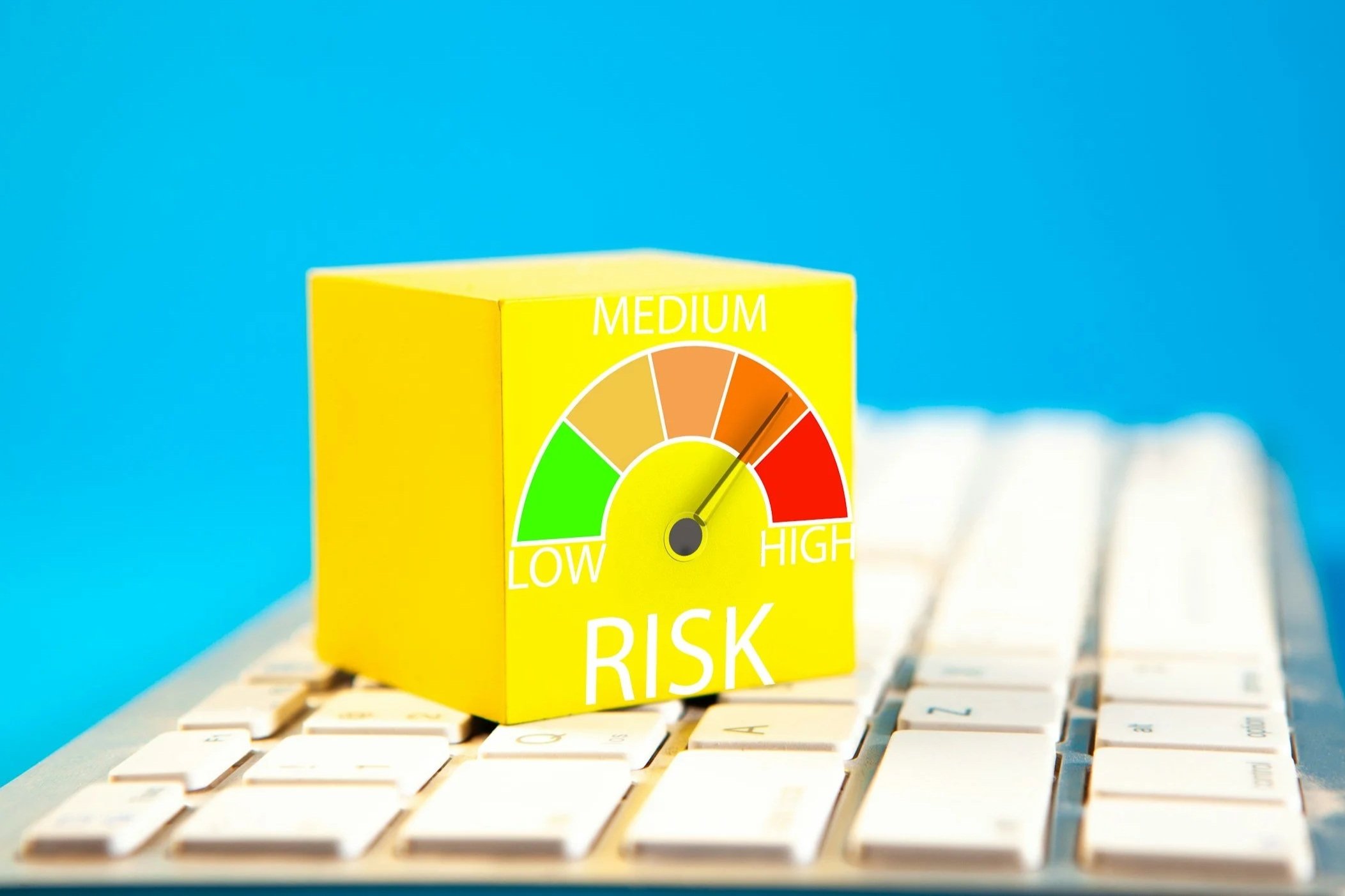
Emerging Risk Assessment
Emerging Risk Assessment identifies, analyzes, and prioritizes emerging risks that could significantly affect organizations, public policies, institutions, markets, or geopolitical environments under conditions of uncertainty and complexity.
Rather than focusing solely on current risks, this product examines emerging trends, weak signals, structural changes, and evolving drivers that may generate new risks or transform existing ones. It also explores the mechanisms through which these risks could materialize and their potential implications for strategic decision-making.
Its objective is to strengthen organizational preparedness by enabling decision-makers to anticipate, monitor, and respond proactively to emerging risks.

Scenario Analysis
Scenario Analysis develops structured, evidence-informed, and analytically rigorous explorations of alternative plausible futures to support strategic planning, policy development, organizational preparedness, and decision-making under conditions of uncertainty.
Rather than attempting to predict what will happen, this product identifies multiple plausible scenarios, examines the drivers and mechanisms that could produce each one, analyzes their implications, and helps organizations develop robust strategies that remain effective across different possible futures.
Its objective is to improve strategic decision-making by explicitly incorporating uncertainty, complexity, and contextual change into planning processes.
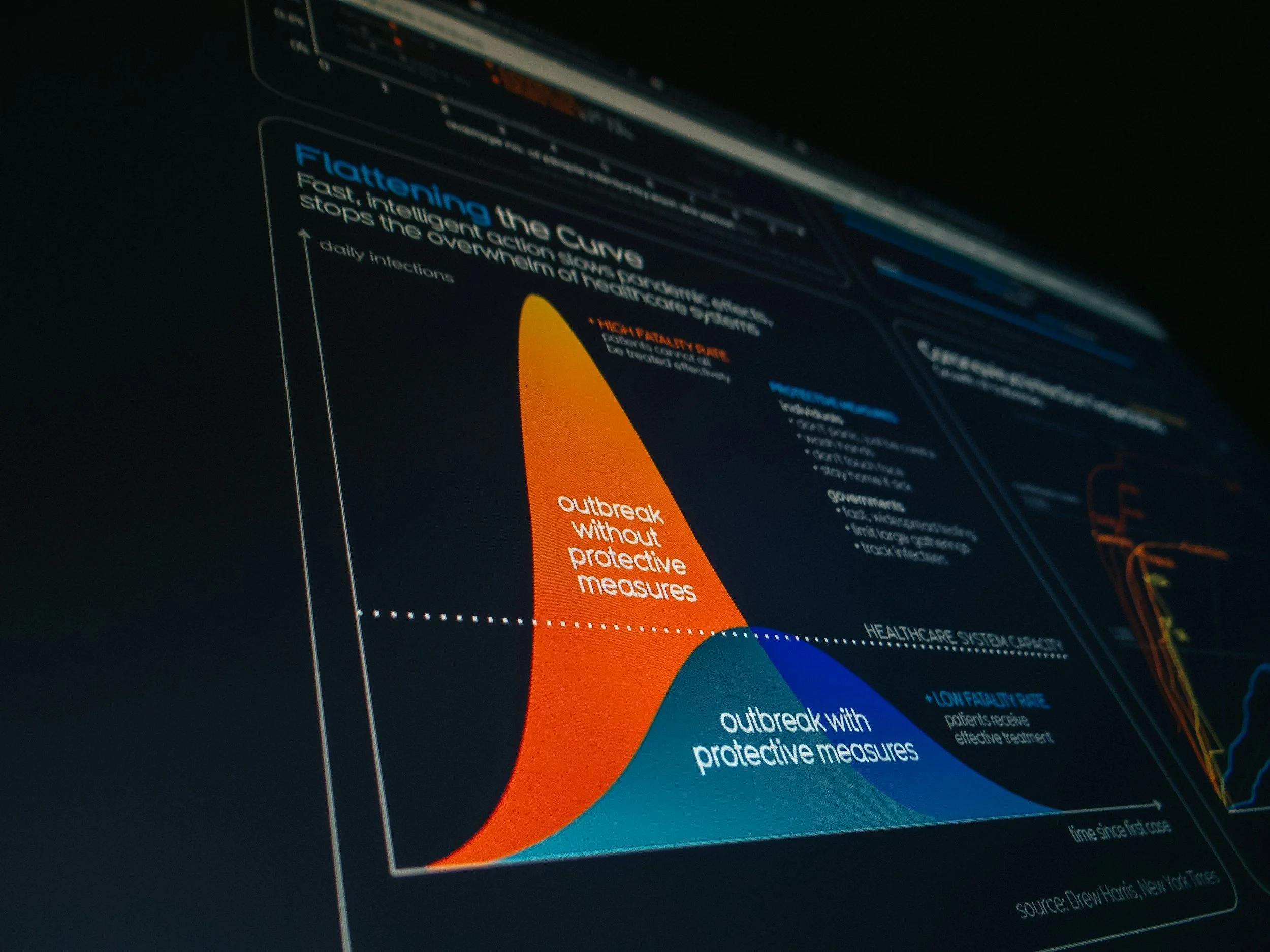
Complexity Analysis
Complexity Analysis examines how interactions among actors, institutions, policies, incentives, and contextual factors generate dynamic, adaptive, and often unpredictable outcomes within complex systems.
Rather than analyzing individual variables in isolation, this product explores how relationships, feedback mechanisms, path dependencies, adaptation, and systemic interactions shape policy outcomes, organizational performance, institutional change, and strategic decision-making.
Its objective is to help organizations better understand complex problems, anticipate unintended consequences, identify leverage points, and design more adaptive and resilient strategies.

Strategic Foresight
Strategic Foresight helps organizations anticipate change, navigate uncertainty, and strengthen long-term decision-making by developing adaptive strategies that remain effective across multiple plausible futures.
Rather than predicting future events, this product combines evidence, scenario thinking, systems analysis, and strategic planning to help organizations identify emerging challenges, prepare for uncertainty, recognize new opportunities, and build resilient strategies.
Its objective is to improve long-term strategic decision-making under conditions of uncertainty, complexity, and continuous change.
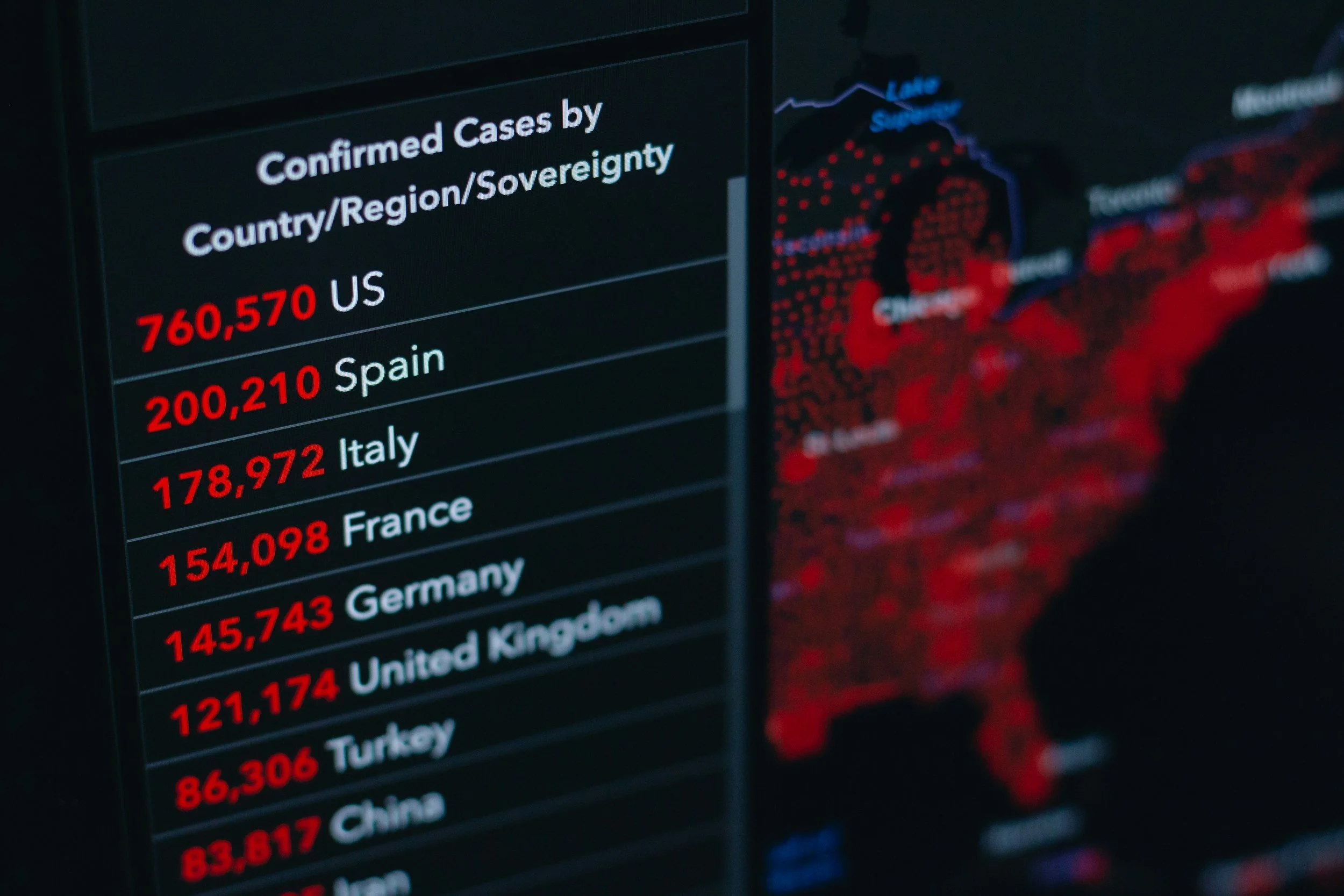
Geoeconomic Analysis
Geoeconomic Analysis examines how geopolitical dynamics, economic policies, strategic competition, and international institutions interact to shape economic outcomes, policy choices, and organizational strategies.
Rather than analyzing geopolitical or economic developments in isolation, this product explores the complex relationships between political power, international trade, investment, industrial policy, technological competition, supply chains, and economic security.
Its objective is to help organizations understand how evolving global dynamics create risks, opportunities, and strategic choices in an increasingly interconnected and uncertain international environment.