Energy & Energy Transition
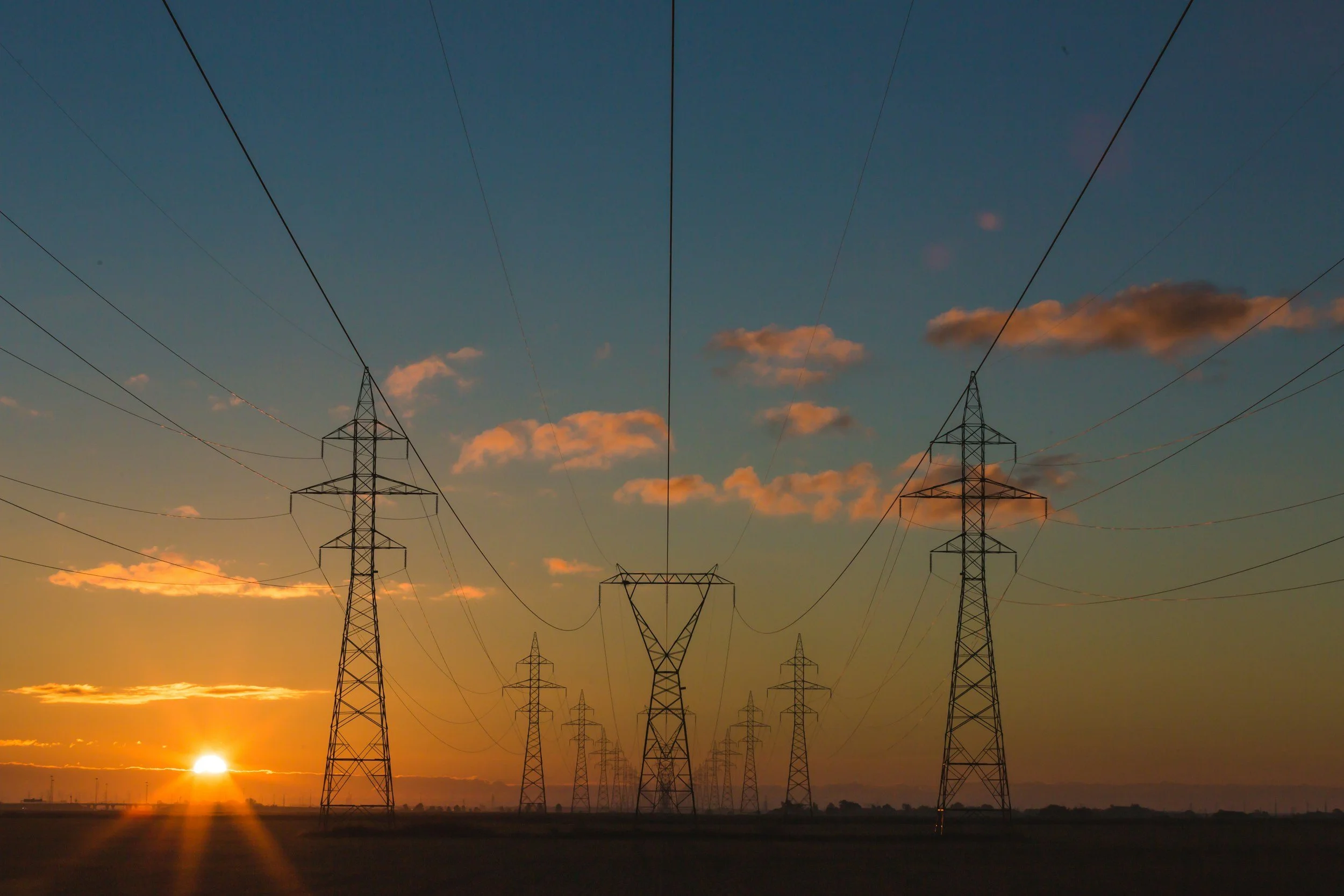
Energy and Energy Transition examines how energy systems evolve in response to technological innovation, market dynamics, environmental challenges, geopolitical change, and public policy. It encompasses the production, distribution, regulation, and consumption of energy, as well as the institutional and economic transformations required to ensure secure, affordable, reliable, and sustainable energy systems.
Foreign Policy
Foreign Policy examines how governments define, pursue, and adapt their international objectives in an increasingly interconnected and uncertain world. It analyzes the institutions, decision-making processes, strategic priorities, diplomatic instruments, and external constraints that shape a country’s engagement with other states, international organizations, private actors, and global challenges.
Geopolitics
Geopolitics examines how geography, power, institutions, technology, economics, and strategic interests shape the behavior of states and other international actors. It explores how competition and cooperation evolve across regions and sectors, influencing security, economic development, international governance, and the global distribution of power.
Governance & Institutional Development
Governance & Institutional Development examines how formal and informal institutions, governance arrangements, organizational capacities, and decision-making processes influence the performance, legitimacy, and adaptability of governments and organizations. It explores how institutions emerge, evolve, and respond to changing political, economic, and social environments, shaping the implementation of public policies and the achievement of collective goals.
International Cooperation
International Cooperation examines how governments, multilateral organizations, civil society, philanthropic actors, and the private sector collaborate to address shared challenges that transcend national borders. It encompasses the institutions, financing mechanisms, governance arrangements, and policy instruments through which countries pursue development objectives, strengthen institutional capacities, respond to humanitarian crises, generate global public goods, and promote sustainable development.
International Political Economy
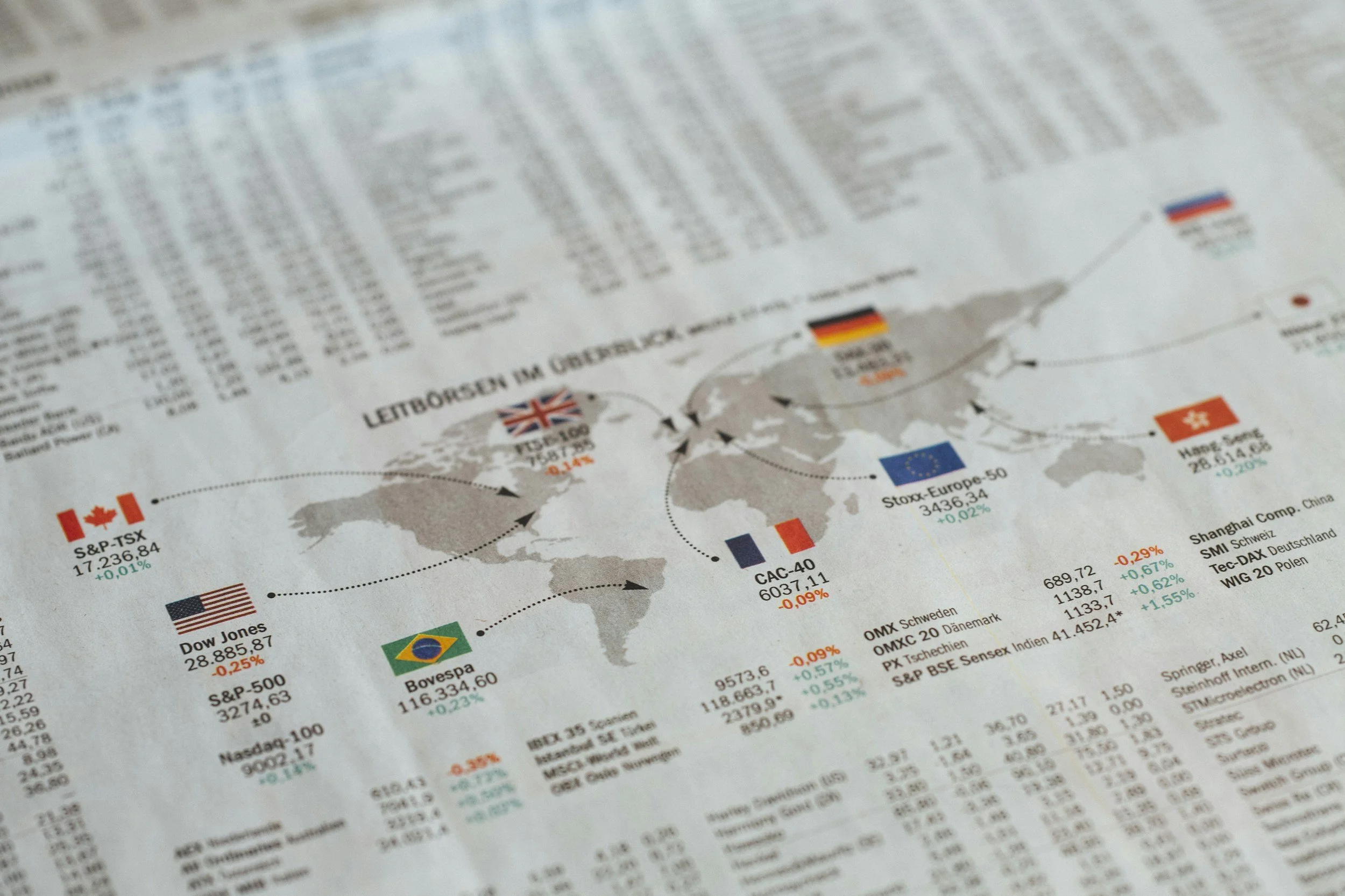
International Political Economy examines the reciprocal relationship between politics and economics in shaping the international system. It analyzes how governments, markets, international institutions, firms, and other actors influence the production, distribution, and governance of economic resources across borders. Rather than treating political and economic processes as independent, it studies how they interact to shape development, trade, investment, finance, technological change, and global governance.
International Trade
International Trade examines how the exchange of goods, services, capital, knowledge, and technology across borders contributes to economic development, productivity, innovation, and human welfare. It encompasses the institutions, policies, market structures, and international agreements that facilitate—or hinder—the ability of individuals, firms, and countries to specialize, cooperate, and create value through voluntary exchange.
Public Policy
Public Policy examines how governments and other public actors identify societal challenges, formulate policy responses, implement interventions, and evaluate their outcomes. It encompasses the institutions, governance arrangements, decision-making processes, and evidence that shape the design, implementation, and continuous improvement of public action across policy sectors.