
Energy & Energy Transition
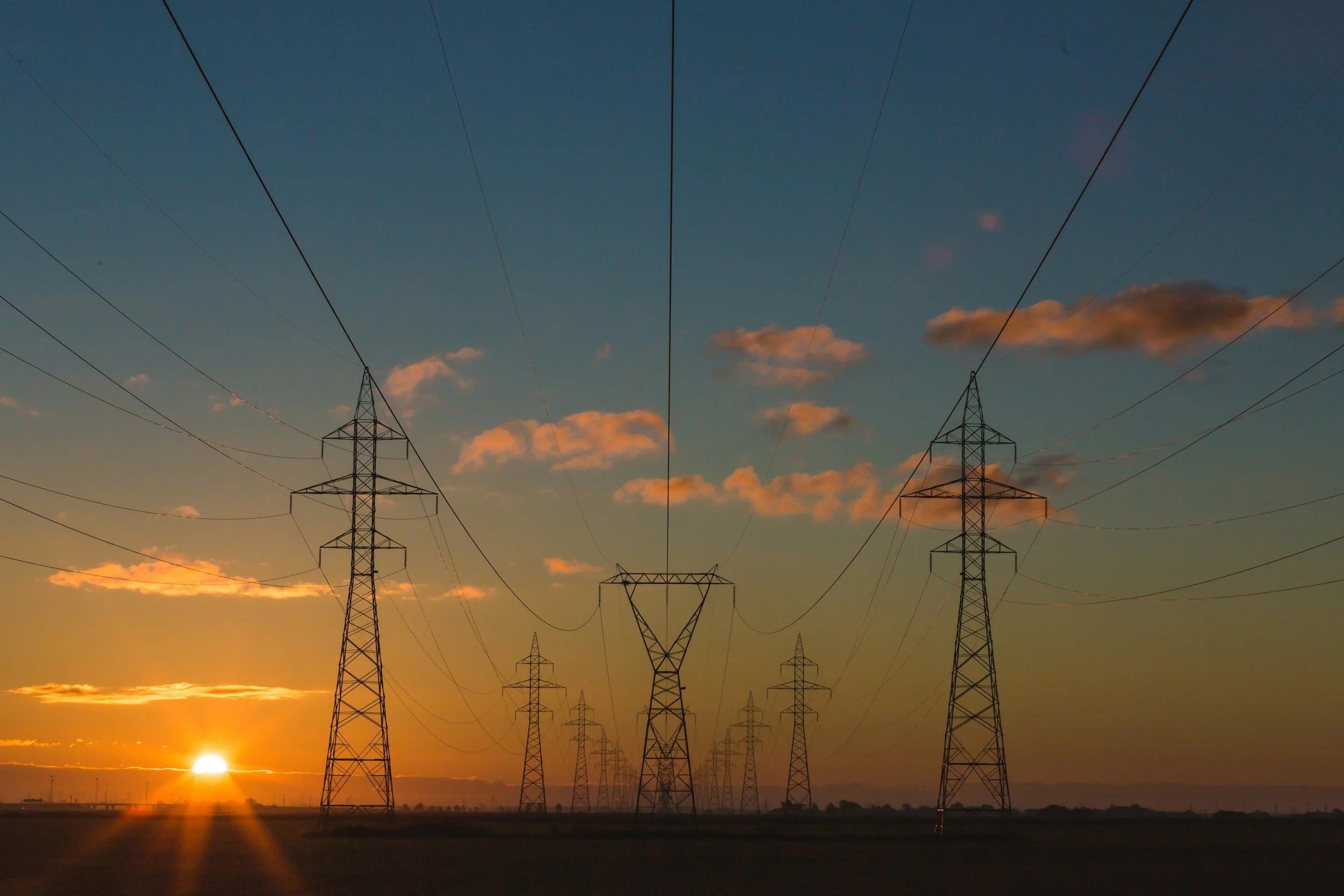
At Emergentia, we understand the energy transition as a multidimensional process that extends beyond the replacement of fossil fuels with renewable energy sources. It involves changes in incentives, institutions, industrial structures, technological capabilities, international trade, critical supply chains, and patterns of energy consumption. Our analyses integrate economics, political economy, governance, complexity, and strategic foresight to help organizations navigate the opportunities, trade-offs, and uncertainties associated with the global transformation of energy systems.
Analytical Lenses
Energy Markets
Energy Policy and Regulation
Energy Security
Renewable Energy Systems
Fossil Fuels and Transitional Energy Sources
Electricity Markets
Industrial Decarbonization
Climate and Energy Policy
Critical Minerals and Strategic Resources
Energy Innovation and Technology
Geopolitics of Energy
Energy Governance and Institutions
Key Questions
How can countries achieve secure, affordable, and sustainable energy systems?
What are the economic and institutional implications of the energy transition?
How should governments balance energy security and decarbonization objectives?
Which regulatory frameworks encourage investment and innovation?
How will critical minerals reshape global energy geopolitics?
What risks emerge from increasing dependence on strategic supply chains?
Under what conditions are renewable energy policies most effective?
How will artificial intelligence transform energy production and management?
Which sectors face the greatest challenges in industrial decarbonization?
How should countries prepare for future disruptions in global energy markets?
What governance arrangements facilitate a just and efficient energy transition?
How can evidence improve long-term energy policymaking?
Frontier Issues
Artificial Intelligence and energy systems
Grid modernization and smart grids
Hydrogen economy
Carbon capture, utilization and storage (CCUS)
Small Modular Reactors (SMRs)
Critical minerals and strategic supply chains
Energy storage technologies
Climate adaptation and energy resilience
Digitalization of energy systems
Geopolitics of the energy transition