
International Trade
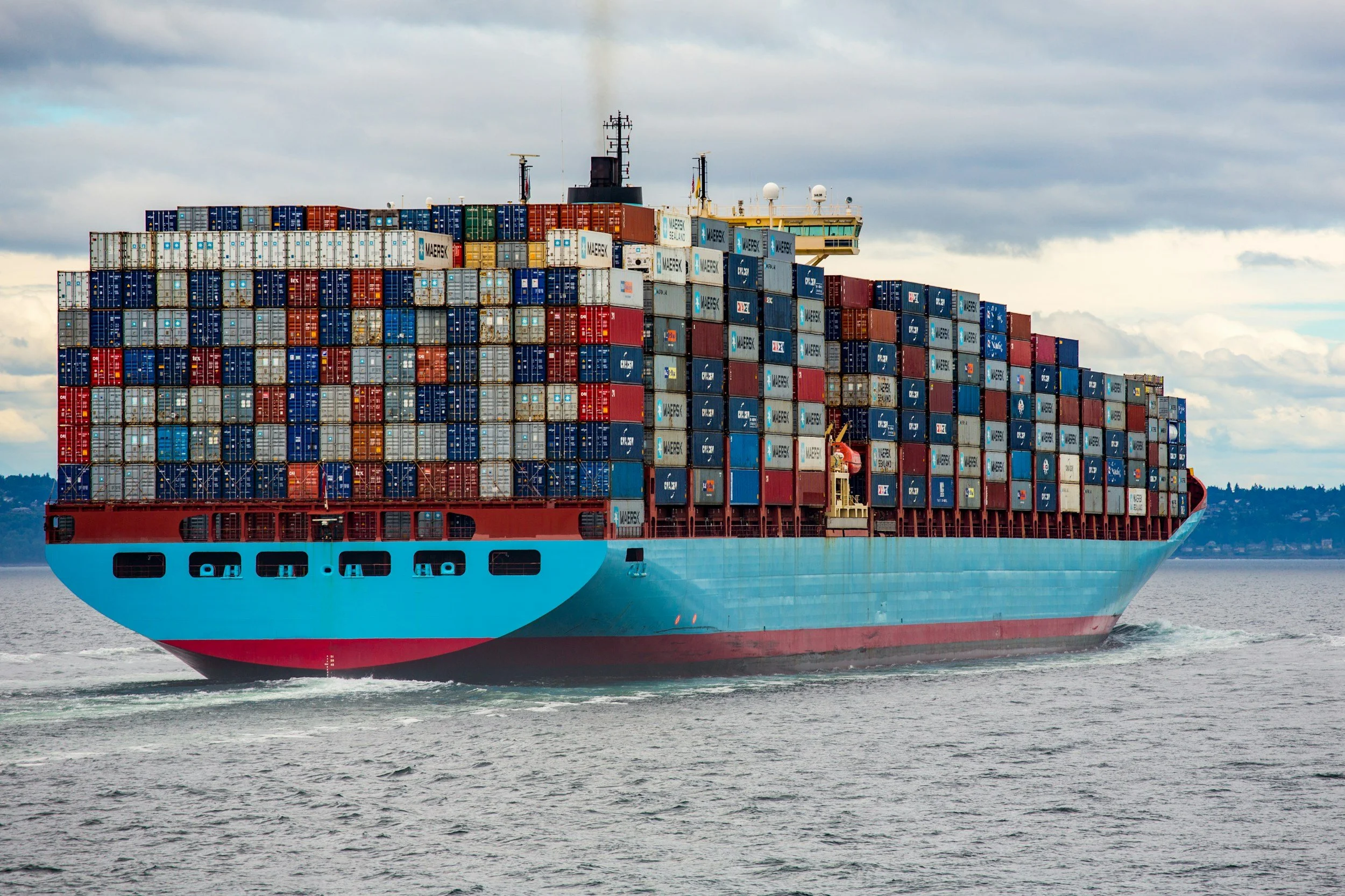
At Emergentia, we view international trade as far more than the movement of exports and imports. Trade is a dynamic process of discovery, specialization, competition, and institutional adaptation through which societies expand opportunities, increase productivity, and improve living standards. Consequently, our analyses integrate economics, political economy, institutions, geoeconomics, and public policy to understand not only how trade evolves, but also how governments, firms, and international organizations can respond to an increasingly complex and uncertain global environment.
Analytical Lenses
International Trade Theory
Trade Policy
Regional and Bilateral Trade Agreements
Global Value Chains
Trade Facilitation
Services Trade
Foreign Direct Investment
Industrial Policy
Geoeconomics and Economic Security
Competitiveness and Productivity
Trade and Development
Institutions and International Trade
Key Questions
How do trade policies affect economic welfare and long-term development?
Which institutional conditions allow countries to benefit from international trade?
How are global value chains being reconfigured?
What are the implications of increasing geoeconomic competition?
How can countries strengthen their international competitiveness?
When is industrial policy justified, and under what conditions is it likely to succeed?
How do regulatory barriers affect trade and investment?
Which sectors present the greatest opportunities for export diversification?
How should governments respond to disruptions in global supply chains?
What role does international trade play in technological diffusion and innovation?
How do trade agreements shape domestic institutions and policy reforms?
How can evidence improve trade policymaking?
Frontier Issues
Supply chain resilience
Friend-shoring and near-shoring
Economic security
Strategic trade and industrial policy
Artificial Intelligence and international trade
Digital trade and cross-border data flows
Critical minerals and strategic resources
Green trade and carbon border adjustment mechanisms
Trade fragmentation
Trade and economic resilience